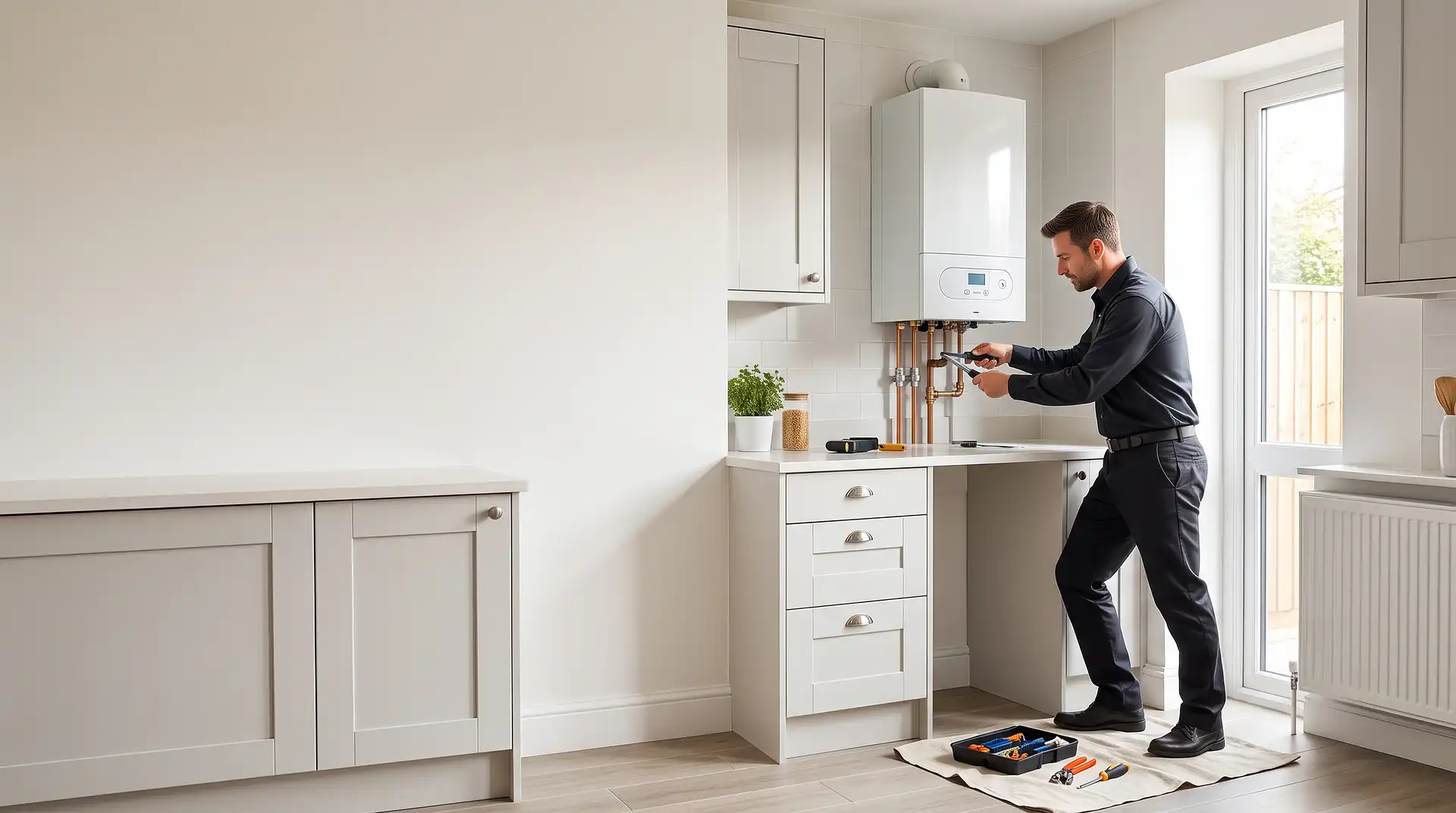
How Long Does It Take to Install a New Boiler
11 September 2026
How Long Does It Take to Install a New Boiler?
A like-for-like combi boiler swap, fitted in the same position as the old one, typically takes 4 to 8 hours and can usually be completed in a single day by a Gas Safe registered engineer. Anything beyond a straight swap, a system or conventional boiler installation, a conversion from one system type to another, or moving the boiler to a new location, extends that timeline considerably, ranging from a full day up to three days depending on the specific job.
The single biggest factor separating a quick job from a longer one is whether the new boiler is going in exactly where the old one sat, using the existing pipework, flue route, and gas supply. Any change to that setup adds time, and the more of those three things that change at once, the longer the installation takes.
Timeline by Job Type
Combi Boiler Like-for-Like Swap: 4–8 Hours
Removing the old combi boiler and fitting a new one in the same position, reusing the existing pipework and flue route, is the fastest installation type. Most of this time goes into disconnecting the old unit, fitting the new one, connecting pipework and flue, and testing and commissioning the system before the engineer leaves.
System Boiler Installation: 1–2 Days
A system boiler installation typically takes longer than a combi swap because it involves a hot water cylinder alongside the boiler itself, meaning more pipework connections and, for a new installation rather than a straight replacement, positioning and connecting the cylinder as a separate task from the boiler installation.
Conventional (Regular) Boiler Installation: 1–2 Days
Similar in scope to a system boiler installation, a conventional boiler adds a cold water storage tank in the loft alongside the hot water cylinder, meaning additional pipework runs and connections compared with a combi-only system.
System to Combi Conversion: 2–3 Days
Converting from a system or conventional boiler to a combi involves removing the existing hot water cylinder and any loft tanks, then capping off and reworking pipework that previously fed them, before installing the new combi unit itself. This removal and rerouting work is why a conversion takes noticeably longer than either a straight combi swap or a new system boiler installation.
Boiler Relocation: 2 Days
Moving a boiler to a new position, even without changing its type, needs extended pipework, a new or extended flue run, and often making good the walls at both the old and new locations, which is why relocation typically takes about the same time as a full system boiler installation despite involving a similar unit to a standard swap.
What Extends the Timeline Beyond the Standard Estimate
Gas Pipe Upgrades
Older homes running 15mm gas pipe sometimes need upgrading to 22mm if the new boiler's position or output requires more gas flow than the existing pipe can reliably deliver. This typically adds a few hours to a straightforward day, since it means running new pipe alongside or in place of the old route.
Flue Position Changes
A flue that needs rerouting to reach a compliant termination point, particularly if the new boiler sits away from an easily accessible exterior wall, adds meaningful time compared with reusing an existing, compliant flue run.
System Condition and Power Flushing
An older, sludged heating system often needs a power flush before a new boiler's warranty becomes valid, since manufacturers generally require a clean system for their warranty to apply. A power flush typically adds three to five hours and is sometimes scheduled as a separate visit rather than being completed on the same day as the boiler installation itself.
Scaffolding for High-Level Flues
If the flue terminates at a height that can't be safely reached with a ladder, scaffolding needs to go up before the flue work can be completed, which can add a day to the overall project timeline even though it doesn't necessarily extend the boiler work itself.
A Note on Testing and Commissioning
Every boiler installation, regardless of type, ends with testing and commissioning, checking the system pressure, running the boiler through its full cycle, testing safety devices, and completing the paperwork for Gas Safe certification and Building Regulations notification. This typically takes 30 to 60 minutes but is a genuinely important part of the total time, since a boiler that hasn't been properly commissioned isn't considered a complete, compliant installation regardless of how quickly the physical fitting went.
When to Call a Professional
All boiler installation work must be carried out by a Gas Safe registered engineer, since gas work of any kind is illegal for anyone else to perform in a domestic property in the UK. This isn't a job where the timeline estimates above are relevant to a DIY approach, since the entire process from disconnection to commissioning needs to be handled by a qualified professional.
Use InstantCost's boiler installation cost calculator to see what your specific installation would cost based on job type and any extras your property might need. If you're also considering moving the boiler as part of this project, how much does it cost to move a boiler covers that specific scenario in more detail.
Common Mistakes and What to Do Instead
Mistake: Assuming every boiler installation takes the same amount of time. A like-for-like swap and a full system conversion are genuinely different jobs with very different timelines. Ask specifically which category your installation falls into when getting quotes.
Mistake: Not checking whether a power flush is included in the quoted time. Some quotes bundle a power flush into the overall timeline, while others schedule it separately. Confirm whether this is included in the day or days quoted for your installation.
Mistake: Booking a single day for a job that clearly needs more. Relocations, conversions, and installations needing gas pipe upgrades or scaffolding rarely fit into a single day. Get a realistic timeline from your installer rather than assuming every boiler job wraps up by evening.
Mistake: Not planning for hot water and heating downtime. Even a same-day swap leaves your household without hot water and heating for most of that day. Plan accordingly, particularly in winter, and ask your installer roughly when in the day heating will be restored.
Mistake: Assuming scaffolding delays are the installer's fault. Scaffolding scheduling sometimes depends on a separate contractor's availability, which can add unplanned days to a project through no fault of the boiler installer themselves. Ask early whether scaffolding is needed so it can be booked well ahead of the installation date.
Mistake: Not confirming Gas Safe certification is completed before considering the job finished. A boiler that's physically installed but not yet certified isn't a complete, compliant job. Confirm you'll receive your Gas Safe certificate and Building Regulations notification once the installation and commissioning are finished.
What It Costs in the UK
Job Type | Time on Site | Typical UK Cost (2026) |
|---|---|---|
Combi boiler, like-for-like swap | 4–8 hours | £1,900–£3,200 |
System boiler install | 1–2 days | £2,300–£3,800 |
Conventional (regular) boiler | 1–2 days | £2,400–£4,000 |
System to combi conversion | 2–3 days | £2,900–£4,600 |
Boiler relocation (new room) | 2 days | £2,600–£4,200 |
Back boiler removal and combi install | 2–3 days | £3,000–£4,800 |
Power flush (if required separately) | 3–5 hours | £350–£650 |
Figures based on InstantCost.co.uk's 2026 UK boiler installation pricing data and vary by region, job type, and property access.
Staying Safe
All gas boiler work must be carried out by a Gas Safe registered engineer, and it's a criminal offence for anyone else to carry out gas fitting work in a UK domestic property. Always check an engineer's Gas Safe ID card and registration before work begins, and confirm this directly through the Gas Safe Register website if you have any doubt.
Keep children and pets away from the work area throughout the installation, particularly while pipework is exposed or the system is being drained and refilled, since these stages create genuine trip and scald hazards in an active work zone.
Gas Safe Register maintains the official list of legally registered gas engineers in the UK. Always verify an engineer's registration directly with Gas Safe Register before any gas work begins in your home.
Frequently Asked Questions
How long does it take to fit a new combi boiler in the same spot as the old one? A like-for-like combi swap in the same position, reusing existing pipework and flue, typically takes 4 to 8 hours and can usually be completed within a single day.
Does moving my boiler add much time to the installation? Yes, relocating a boiler typically takes around 2 days rather than the single day a like-for-like swap needs, due to the extended pipework, flue rerouting, and making good required at both the old and new positions.
Why does converting from a system boiler to a combi take longer than a straight swap? A conversion involves removing the existing hot water cylinder and any loft tanks, then reworking the pipework that previously fed them, which is considerably more work than simply disconnecting and refitting a boiler in the same configuration.
Will I be without heating and hot water during the installation? Yes, typically for the duration of the work, which is most disruptive for multi-day installations like conversions or relocations. Some installers can arrange a temporary heater for extended jobs during colder months, so it's worth asking if this matters to your household.
Does a power flush add extra time to the installation? Yes, a power flush typically adds three to five hours and is sometimes scheduled as part of the same visit or as a separate appointment, depending on the installer and whether your system clearly needs one before the new boiler's warranty applies.
How soon after the engineer leaves will I get my Gas Safe certificate? Most engineers issue the Gas Safe certificate and complete Building Regulations notification on the same day as the installation, though it's worth confirming this timeline specifically with your installer since processes can vary slightly between companies.