How to Use Plumber's Mait
10 September 2026
How to Use Plumber's Mait
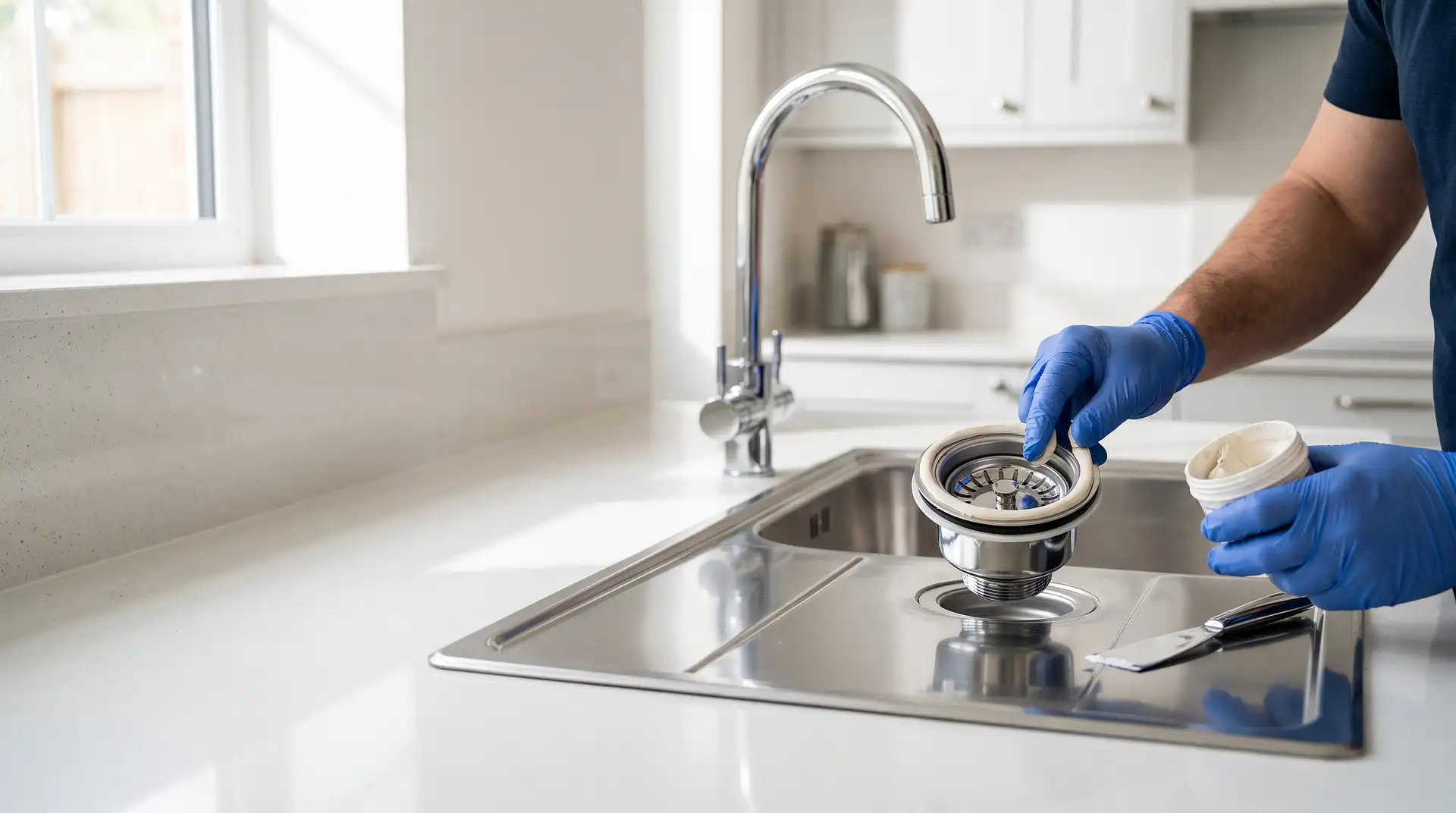
Plumber's Mait is a non-setting putty compound used to seal waste traps, sink outlets, and other sanitary fittings, applied by rolling a thin rope of the putty around the thread or seating face before tightening the joint. Unlike PTFE tape or a hardening jointing compound, it stays permanently pliable, which is exactly what makes it useful for waste connections but also exactly why it's the wrong choice for pressurised water or heating pipework.
The confusion around this product almost always comes down to one thing: Plumber's Mait belongs in the drain-side, low-pressure world of waste traps and sanitary seals, not in the pressurised world of supply pipes, compression joints on live water pipework, or heating systems, where a proper jointing compound or PTFE tape does the job it's actually designed for.
What Plumber's Mait Is Actually For
Plumber's Mait is best suited to sealing waste connections, a sink trap to its outlet, an overflow fitting, or similar low-pressure sanitary joints where a watertight seal is needed but the joint may need to come apart again in future for cleaning or maintenance. Its non-setting nature means it never fully hardens, so a joint sealed with it years ago can still be dismantled without the destructive force needed to break apart a hardened compound or degraded silicone.
It also copes well with slightly imperfect or worn seating faces, common on older sanitary fittings, filling small gaps and irregularities without the rigidity that would otherwise cause a harder sealant to crack under any movement in the joint.
What Plumber's Mait Is Not For
It should not be used on pressurised water supply pipework, heating system pipework, or gas connections. These applications need a product specifically rated for sustained pressure, either PTFE tape on threaded joints, a proper jointing compound on compression fittings, or a WRAS-approved sealant appropriate to potable water where relevant. Using Plumber's Mait on a pressurised joint risks a seal that doesn't hold under sustained water pressure, since it isn't formulated or rated for that purpose.
It's also generally not recommended as a substitute for silicone sealant where continuous water immersion is involved, such as sealing a bath waste to the bath itself, since manufacturer guidance for specific fittings sometimes calls for silicone in these applications instead. Always check the fitting manufacturer's own instructions where they're provided, since different sanitary fittings occasionally have specific sealing requirements.
Step-by-Step: Applying Plumber's Mait
Clean the thread or seating face thoroughly, removing any old sealant, debris, or residue from a previous joint, since the compound needs a clean surface to seal against effectively.
Take a small amount of the putty from the tub and roll it between your fingers into a thin, even rope, roughly matching the diameter of the thread or seating face you're sealing.
Press the rope of compound evenly around the thread or seating face, ensuring full coverage without excessive thickness that could squeeze out unevenly once the joint is tightened.
Assemble and tighten the joint by hand first, then with a wrench if needed, checking that the compound is being compressed evenly rather than pushed entirely to one side.
Wipe away any excess that squeezes out around the joint once tightened, since leftover compound left in place can collect dirt and look untidy around a visible fitting like a sink waste.
Test the joint by running water through the connection and checking for any sign of a leak before considering the job finished.
A Note on Reusing Plumber's Mait on a Joint You're Taking Apart
One of the genuine advantages of this product is that a joint sealed with it can be dismantled cleanly later, since the compound never fully hardens. When you do take such a joint apart for maintenance, it's good practice to remove the old compound entirely and apply a fresh rope of putty when reassembling, rather than reusing what's already there, since old compound can lose some of its sealing consistency over an extended period in place.
When to Call a Professional
For anything beyond a simple waste trap reseal or a similar sanitary fitting, particularly any work involving supply pipework, heating systems, or gas connections, use a qualified plumber rather than reaching for Plumber's Mait as a general-purpose fix. Using the wrong sealing product on a pressurised joint is a common cause of slow, hard-to-trace leaks that only become obvious well after the original work was done.
Use InstantCost's plumbing cost calculator to see what professional help would cost for a specific plumbing job. If you're working through a wider range of small plumbing fixes at once, how to unblock a kitchen sink covers another common job that often comes up alongside waste trap maintenance.
Common Mistakes and What to Do Instead
Mistake: Using Plumber's Mait on pressurised supply or heating pipework. This compound isn't rated for sustained pressure and can result in a seal that fails once the system is pressurised. Use PTFE tape or a proper jointing compound on these joints instead.
Mistake: Applying too thick a layer of compound. Excess compound squeezed unevenly out of a joint as it's tightened can create an untidy, uneven seal. Use a thin, even rope of putty rather than a thick blob.
Mistake: Not cleaning the old thread or seating face first. Applying fresh compound over old residue or debris reduces how well the new seal actually bonds against the surface. Always clean the joint thoroughly before applying fresh compound.
Mistake: Assuming it's a substitute for silicone on bath or shower waste seals. Some fitting manufacturers specifically call for silicone rather than putty in these applications. Check the specific fitting's instructions rather than assuming one sealing method suits every sanitary joint.
Mistake: Reusing old compound when reassembling a joint. Compound that's been in place for years can lose some of its original sealing consistency. Remove old compound fully and apply a fresh rope when disassembling and reassembling a joint.
Mistake: Not testing the joint before considering the job finished. A joint that looks correctly assembled can still leak under actual water flow. Always run water through the connection and check thoroughly before walking away.
What It Costs in the UK
Item or Service | Typical UK Cost (2026) |
|---|---|
Plumber's Mait, standard tub | £4–£9 |
PTFE tape (for comparison, correct product for pressurised joints) | £1–£3 |
Professional tap or waste trap repair | £80–£180 |
Plumber hourly rate | £40–£80 |
Plumber emergency call-out | £100–£200 |
Figures based on InstantCost.co.uk's 2026 UK plumbing pricing data and vary by region and provider.
Staying Safe
Wash your hands after handling any jointing compound, and avoid prolonged skin contact, checking the specific product's safety data if you have sensitive skin. Keep the tub sealed when not in use to prevent it drying out or being accessed by children, since it should be kept out of reach like any other household chemical product.
If you're at all unsure whether a specific joint should use Plumber's Mait, PTFE tape, or a proper jointing compound, particularly on anything connected to your home's pressurised water or heating system, check with a qualified plumber rather than guessing, since the wrong product on a pressurised joint can lead to a leak that causes real water damage before it's noticed.
Fittings intended for use with potable (drinking) water in the UK should carry WRAS approval. Check that any sealing product used on a fitting connected to your drinking water supply is appropriate for that purpose, and verify current guidance with the product manufacturer if in doubt.
Frequently Asked Questions
Can I use Plumber's Mait on a compression fitting? Some tradespeople do use it on compression fitting olives, though a dedicated jointing compound is generally the more commonly recommended product for this application, particularly on pressurised pipework. Plumber's Mait is most reliably suited to waste and sanitary connections rather than pressurised joints.
Is Plumber's Mait the same as PTFE tape? No. PTFE tape is a thin, wrapped tape used on threaded joints, while Plumber's Mait is a putty-like compound pressed around a thread or seating face. They're used differently and aren't interchangeable for every application.
Does Plumber's Mait ever fully harden? No, that's its defining feature. It stays permanently pliable, which allows a sealed joint to be taken apart again later without the destructive force needed to remove a fully hardened sealant.
Can I use Plumber's Mait on gas fittings? No. Gas connections require specific products rated and approved for gas use, and any gas work should be carried out by a Gas Safe registered engineer using appropriate materials.
Why is my joint still leaking after using Plumber's Mait? This often means the product was used on an application it isn't suited for, such as a pressurised supply pipe, or that too little compound was applied, or that the thread or seating face wasn't properly cleaned before application.
How long does a tub of Plumber's Mait last once opened? Kept sealed between uses, a tub can last a considerable time, though it's worth checking consistency before use on an older, previously opened tub, since it can dry out slightly over an extended period if not sealed properly.