How Much Does a Driveway Cost
6 October 2026
How Much Does a Driveway Cost in the UK?
A new driveway in the UK usually costs between £2,500 and £6,500 for a typical two-car area of approximately 36m². The final price depends on the surface material, driveway size, excavation, drainage, access, edging and your location.
Based on InstantCost’s current 2026 UK driveway calculator, prices range from approximately £55 per m² for gravel to £160 per m² for Indian sandstone. A typical 36m² driveway has a mid-range estimated cost of about £5,530, including typical groundwork and VAT.
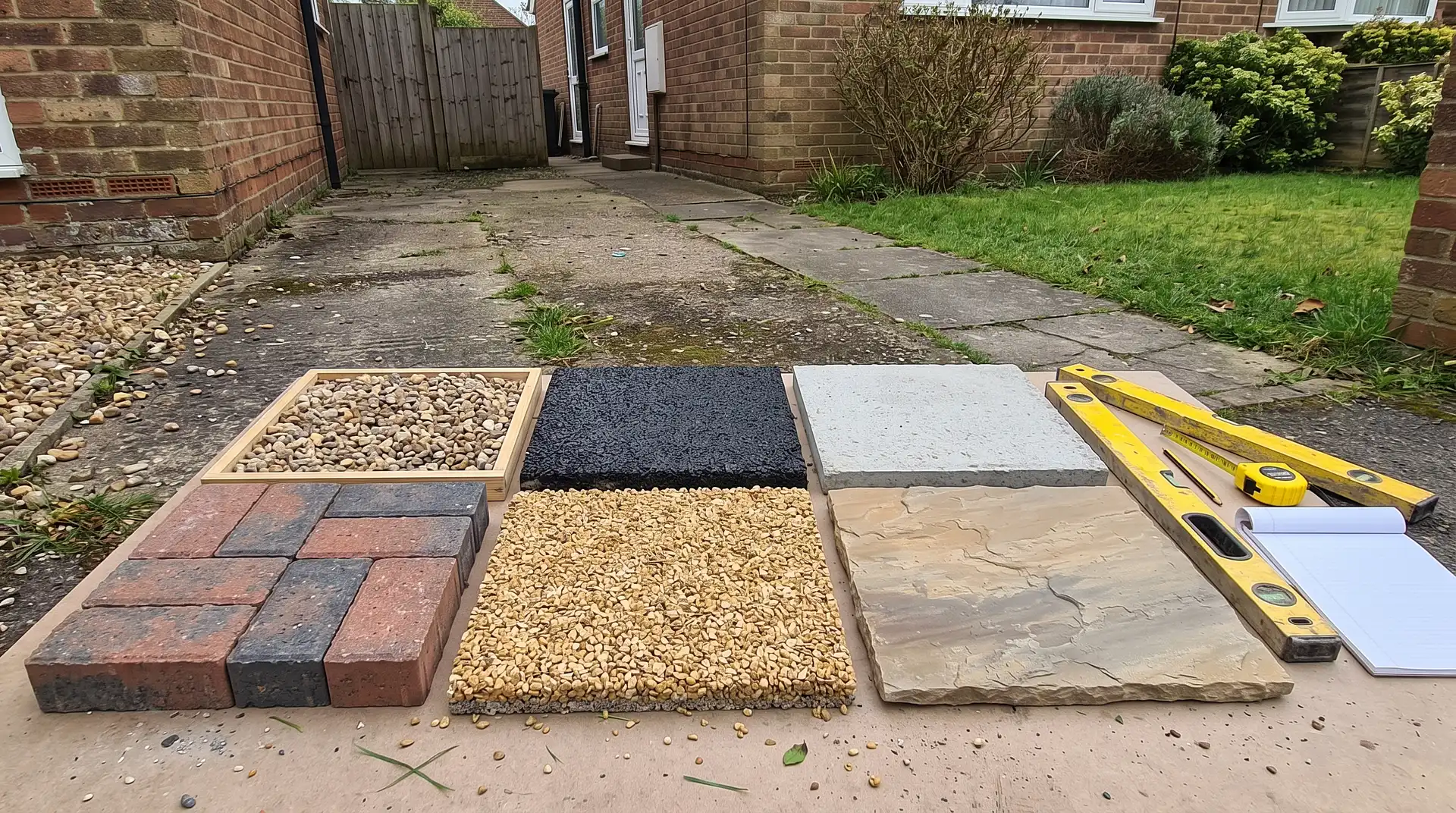
Quick answer: A driveway costs approximately £55 to £160 per m² in the UK, depending on the material. For a typical 36m² driveway, expect around £1,980 for gravel, £2,700 for tarmac, £3,060 for concrete, £3,960 for block paving, £4,680 for resin bound or £5,760 for Indian sandstone.
Driveway Cost Per Square Metre
Driveway material | Approximate cost per m² | 36m² driveway estimate | Typical lifespan |
|---|---|---|---|
Gravel | £55 | £1,980 | 10 to 15 years |
Tarmac or asphalt | £75 | £2,700 | 15 to 20 years |
Concrete | £85 | £3,060 | 25 to 30 years |
Block paving | £110 | £3,960 | 20 to 30 years |
Resin bound | £130 | £4,680 | 20 to 25 years |
Indian sandstone | £160 | £5,760 | 25 years or more |
These figures are supplied and fitted guide prices based on a typical UK driveway. The cost can be higher if the site needs extensive excavation, a new drainage system, retaining walls or difficult waste removal.
Average Driveway Cost by Size
Driveway size | Approximate area | Typical use |
|---|---|---|
5m x 3m | 15m² | Single car |
5m x 5m | 25m² | Compact two-car parking |
6m x 6m | 36m² | Typical two-car driveway |
6m x 7m | 42m² | Two cars with extra access space |
8m x 7m | 56m² | Large driveway or three-car parking |
To estimate the surface area, multiply the driveway length by its average width. For an irregular shape, divide it into rectangles, calculate each section and add the results together.
What Is Included in a New Driveway Price?
A professional quotation may include the following:
Removing the existing surface
Excavating soil and old materials
Waste collection and disposal
Sub-base aggregate
Ground compaction
Drainage channels or a soakaway
Kerbs, edging or retaining restraints
Surface material and installation
Labour, machinery and equipment
VAT
Check each quote carefully. Some installers show only the surface price per square metre and add groundwork, waste removal and drainage separately.
What Makes a Driveway More Expensive?
Ground conditions
Soft clay, made-up ground, tree roots and poor drainage can require deeper excavation and additional sub-base material. A driveway built over unstable ground may sink or crack, so the base should be corrected before the surface is installed.
Existing surface removal
Removing old concrete, tarmac or paving adds labour, machinery and disposal costs. If the existing surface is sound and suitable for resurfacing, it may be possible to reduce excavation work.
Drainage
Standing water can damage a driveway and create problems at the front of a property. Drainage channels, soakaways, permeable bases and falls may be required, especially on sloping sites.
Access
Narrow entrances, restricted parking and limited working space can increase labour time. If machinery cannot reach the driveway, materials may need to be moved by hand or through the property.
Edging and decorative details
Contrasting blocks, kerbs, patterns, borders, lighting and gates increase the total price. A simple rectangular driveway is generally cheaper to install than a curved design with several separate sections.
Which Driveway Material Is Cheapest?
Gravel is usually the cheapest driveway surface at approximately £55 per m². It is quick to install and can provide good drainage, but stones can move and need occasional topping up.
Tarmac costs approximately £75 per m² and gives a smooth, practical finish. It is suitable for many vehicle areas but may soften during extreme heat and is usually impermeable.
Concrete costs approximately £85 per m² and can last for decades when correctly installed. Decorative finishes, colouring and patterning increase the price.
Block paving costs approximately £110 per m². It offers a wide choice of colours and patterns, and damaged blocks can be replaced individually, but joints may need re-sanding and weed control.
Resin bound costs approximately £130 per m². It provides a smooth modern finish and can be permeable when the correct system and base are used.
Indian sandstone is approximately £160 per m² and gives a premium natural stone appearance. It requires careful preparation and regular maintenance to keep the surface looking its best.
Check your driveway price
Use the InstantCost calculator to compare materials, groundwork, VAT and optional extras for your property.
Planning Permission for a UK Driveway
In England, a new front driveway larger than 5m² may need planning permission if it uses an impermeable surface and rainwater cannot drain to a permeable area. Gravel, resin bound and suitable permeable paving can help manage surface water.
Read the GOV.UK guidance on permeable front garden surfacing before work begins. Contact your local planning authority if you live in a conservation area, own a listed property or need a new dropped kerb.
How to Keep Driveway Costs Down
Choose a straightforward rectangular layout.
Compare two or three detailed written quotes.
Ask whether VAT is included.
Check if the existing base can be reused safely.
Select standard colours and finishes.
Combine drainage and edging work with the main installation.
Plan the project outside the busiest season.
Confirm who will remove the old surface and waste.
Do not choose the lowest quote without checking the proposed base depth, drainage and materials. A cheap driveway can become expensive if it needs early repairs.
Questions to Ask a Driveway Installer
How many square metres does the driveway cover?
What excavation depth is required?
What sub-base material and depth will be used?
How will rainwater drain?
Are edging, kerbs and waste disposal included?
Does the quoted price include VAT?
How long will installation take?
When can vehicles use the finished surface?
What guarantee is provided?
Frequently Asked Questions
What is the average cost of a driveway in the UK?
A typical driveway costs between £2,500 and £6,500, depending on its size and material. A standard 36m² two-car driveway has a mid-range estimate of about £5,530 including typical groundwork and VAT.
How much does a driveway cost per m²?
UK driveway prices range from approximately £55 per m² for gravel to £160 per m² for Indian sandstone. Tarmac, concrete, block paving and resin bound sit between these figures.
What is the cheapest driveway to install?
Gravel is usually the cheapest option. Tarmac can also provide a relatively low-cost smooth surface, although drainage and preparation can change the final price.
How much does a two-car driveway cost?
A typical 36m² two-car driveway costs approximately £1,980 for gravel, £2,700 for tarmac, £3,060 for concrete, £3,960 for block paving, £4,680 for resin bound or £5,760 for Indian sandstone.
Does a new driveway add value to a house?
A well-designed driveway can improve kerb appeal, off-street parking and practical use of the property. The effect on value depends on the location, condition, size and quality of the installation.
How long does it take to install a driveway?
A straightforward driveway may take two to five days, including preparation and installation. Larger projects, drainage work, poor weather and restricted access can extend the programme.
Get a driveway estimate for your home
Enter your measurements and preferred material to see a current UK driveway cost estimate.